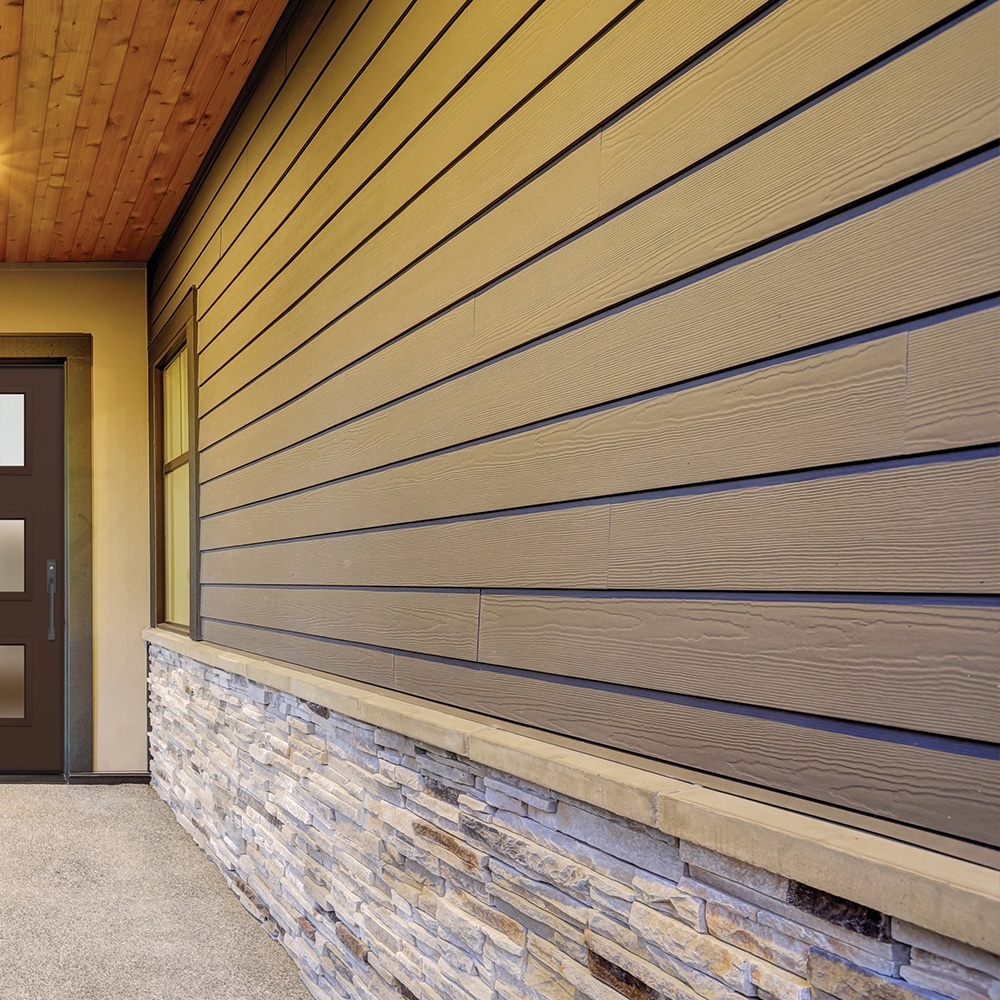
Considerations for Choosing the Right Color
When it comes to choosing the right color for your siding, it's essential to consider how it will impact the overall look of your home. The color of your siding can greatly influence the curb appeal and aesthetic of your property, so it's important to choose wisely.
Popular Siding Colors and Their Visual Effects
- White: White siding can give your home a clean, classic look. It can also make your home appear larger and more inviting.
- Gray: Gray siding is a popular choice for modern homes. It can give your home a sleek and sophisticated appearance.
- Blue: Blue siding can add a pop of color to your home's exterior. It can evoke a sense of calm and tranquility.
- Beige: Beige siding is a versatile option that can complement a variety of architectural styles. It can give your home a warm and inviting look.
Coordinating Siding Color with Existing Exterior Elements
When selecting a siding color, it's important to consider how it will coordinate with existing exterior elements such as the roof and landscaping. For example, if you have a red brick foundation, a warm beige siding color might complement it nicely.
Similarly, a green roof might look great with gray or blue siding to create a cohesive and harmonious exterior color scheme.
Exploring Texture Options
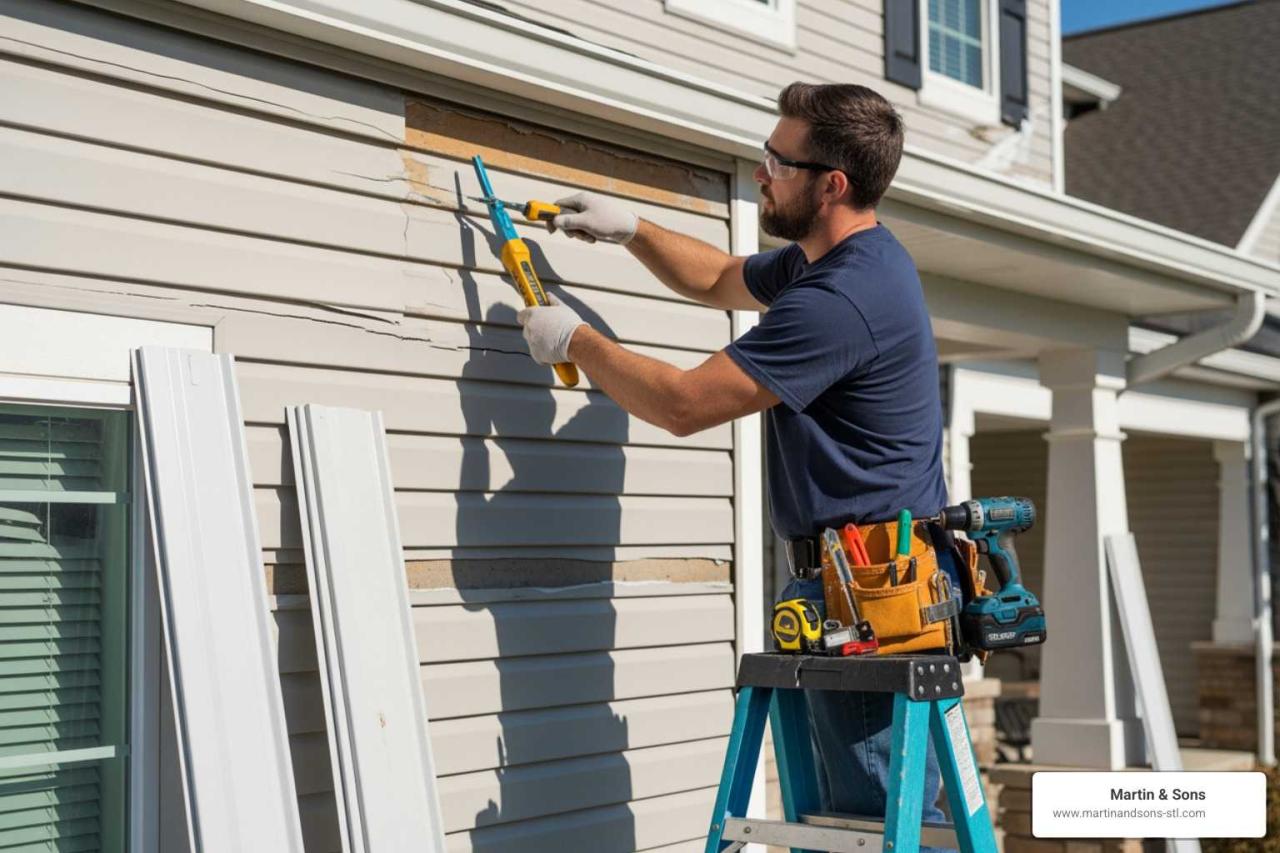
When it comes to choosing siding for your home, texture plays a crucial role in enhancing the overall aesthetic appeal. Different textures can bring a unique look and feel to your property, so it's essential to consider the options available before making a decision.Texture not only impacts the style of your home but also influences the maintenance requirements of the siding.
Some textures may hide dirt and imperfections better, while others may require more frequent cleaning to maintain their appearance. Understanding how texture affects maintenance can help you make a more informed choice for your home.
Smooth Siding
Smooth siding offers a sleek and modern look to your property. It provides a clean and uniform appearance that can complement a variety of architectural styles. While smooth siding is relatively easy to clean, it may show scratches and dents more prominently compared to textured options.
Textured Siding
Textured siding, on the other hand, adds depth and visual interest to your home exterior. It can mimic the look of natural materials like wood or stone, giving your property a more rustic or traditional appearance. Textured siding is also better at hiding imperfections and can offer a more unique and customized look to your home.
Durability and Visual Interest
When comparing smooth versus textured siding in terms of durability, textured options tend to be more resistant to wear and tear. The added texture can help disguise minor damages that may occur over time, making textured siding a practical choice for homeowners looking for low-maintenance solutions.
Additionally, textured siding can offer more visual interest and depth to your home's exterior, making it stand out in your neighborhood.Consider the style of your home, your maintenance preferences, and the overall look you want to achieve when selecting the texture of your siding.
Whether you opt for a smooth or textured finish, choosing the right texture can make a significant difference in enhancing the curb appeal and longevity of your home's exterior.
Factors to Keep in Mind for a Harmonious Look

When considering siding color and texture for your home, it is crucial to keep in mind various factors that can contribute to achieving a harmonious look. Factors such as the architectural style of your home, natural lighting, and the combination of complementary colors and textures play a significant role in creating an aesthetically pleasing exterior.
Architectural Style of the Home
The architectural style of your home should be a primary consideration when selecting siding color and texture. Different architectural styles, such as modern, traditional, colonial, or farmhouse, have distinct characteristics that can be enhanced or complemented by specific siding options.
For example, a modern home may look best with sleek, smooth siding in neutral tones, while a farmhouse-style home could benefit from textured wood siding in warm, rustic colors.
Natural Lighting
Natural lighting can greatly influence the appearance of siding colors and textures. Consider how the angle and intensity of sunlight throughout the day will impact the way your chosen siding looks. Lighter colors may appear brighter in direct sunlight, while darker colors can create a more dramatic effect.
It is essential to test samples of siding materials at different times of the day to see how they will look under various lighting conditions.
Combining Complementary Colors and Textures
To achieve a cohesive and visually appealing exterior, it is important to combine complementary colors and textures. Look for colors that work well together and create a sense of balance. For example, pairing a bold, dark siding color with a lighter trim color can create a striking contrast.
Additionally, mixing textures such as smooth siding with stone accents can add depth and interest to your home's exterior.
Professional Advice and Trends
Consulting with professionals for siding color and texture selection is crucial to ensure that you make the best decision for your home. Professionals have the expertise to guide you through the selection process, taking into consideration factors such as architectural style, neighborhood trends, and personal preferences.When it comes to current trends in siding colors and textures, some popular choices include:
- Earth tones: Neutral colors like beige, gray, and taupe are timeless choices that complement a wide range of architectural styles.
- Dark hues: Deep blues, greens, and blacks are gaining popularity for a bold and modern look.
- Mixed materials: Combining different textures such as wood, stone, and metal can add visual interest to your home's exterior.
Balancing personal preferences with timeless choices is key to achieving a harmonious and long-lasting appeal for your home. While it's important to choose colors and textures that you love, it's also wise to consider how your selections will stand the test of time.
Opting for classic colors and textures can ensure that your home remains stylish and attractive for years to come.
Essential FAQs
What factors should I consider when choosing the right color for siding?
Consider the impact of siding color on your home's overall appearance, coordinate with existing elements like the roof, and landscaping for a cohesive look.
How does texture influence the style and maintenance of siding?
Different textures offer varying aesthetic appeals and affect maintenance needs. Consider durability and visual interest when choosing between smooth and textured siding.
Why is it important to consider the architectural style of the home when selecting siding color and texture?
Matching the siding to the architectural style ensures a harmonious look. Natural lighting can also impact how colors and textures appear. Combine complementary colors and textures for a cohesive exterior.
Why consult with professionals for siding color and texture selection?
Professionals offer valuable advice on current trends and help balance personal preferences with timeless choices for long-lasting appeal.