Importance of Regular Roof Inspections

Regular roof inspections are crucial for maintaining the longevity and structural integrity of your roof. By conducting inspections on a routine basis, homeowners can catch potential issues early on before they escalate into more significant problems. This proactive approach not only helps in preserving the roof but also saves money in the long run.
Early Detection of Issues
- Identifying and repairing small leaks before they cause water damage to the interior of the house.
- Spotting missing or damaged shingles that can lead to water infiltration and mold growth.
- Detecting signs of pest infestation or rot that can weaken the roof's structure over time.
Cost Savings
- Addressing minor repairs promptly can prevent the need for costly roof replacements in the future.
- Regular maintenance and inspections can extend the lifespan of the roof, saving homeowners from premature roof failure.
- Insurance companies may offer discounts for homes with well-maintained roofs, resulting in lower premiums.
Timing and Frequency of Roof Inspections
Regular roof inspections are crucial for maintaining the structural integrity of your home and preventing costly repairs in the long run. The frequency of roof inspections can vary depending on several factors, such as weather conditions, the age of your roof, and any previous damage it may have sustained.
Here's a recommended schedule for routine roof inspections:
Ideal Frequency of Roof Inspections
- It is recommended to conduct a roof inspection at least twice a year, ideally in the spring and fall.
- Additionally, after severe weather events such as hailstorms, heavy winds, or snowstorms, it is advisable to inspect your roof for any damage.
Factors Influencing the Frequency of Inspections
- The age of your roof plays a significant role in determining how often you should inspect it. Older roofs may require more frequent inspections to catch any signs of wear and tear.
- Weather conditions in your area can also impact the frequency of inspections. If you live in an area prone to harsh weather, more frequent inspections may be necessary to ensure your roof remains in good condition.
Recommended Schedule for Routine Inspections
| Time of Year | Recommended Actions |
|---|---|
| Spring | Inspect your roof for any damage caused by winter weather, such as ice dams or snow accumulation. |
| Summer | Check for any signs of wear and tear, including missing or damaged shingles. |
| Fall | Prepare your roof for the upcoming winter months by clearing debris and ensuring proper drainage. |
| Winter | Monitor your roof for any ice dams or snow buildup that could lead to leaks or structural damage. |
DIY vs. Professional Roof Inspections
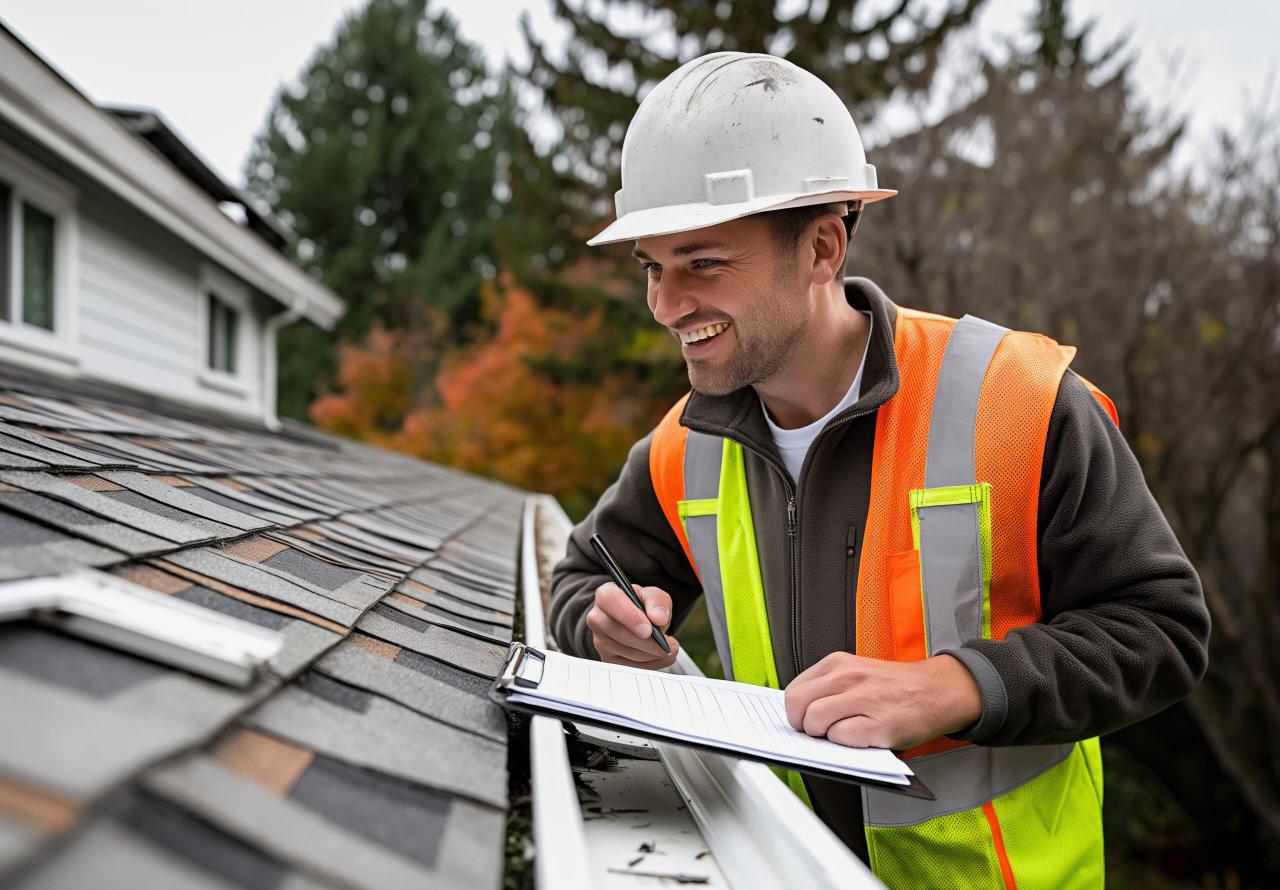
When it comes to roof inspections, homeowners often face the decision of whether to perform a DIY inspection or hire a professional roofing contractor. Both options have their own set of benefits and drawbacks that should be considered to ensure the roof is properly maintained and issues are identified in a timely manner.
Benefits of Professional Roof Inspections
Professional roofing contractors have the expertise, experience, and tools necessary to conduct a thorough and accurate inspection of the roof. They can identify potential problems that may go unnoticed during a DIY inspection, such as hidden leaks, structural damage, or improper installation.
Additionally, professional roof inspections often come with warranties or guarantees on the work performed, providing homeowners with peace of mind and assurance that any issues will be addressed promptly and effectively.
Drawbacks of DIY Roof Inspections
While DIY roof inspections may seem cost-effective at first, they can actually lead to more significant expenses in the long run if issues are not properly identified and addressed. Homeowners may lack the knowledge and training needed to spot potential problems or may not have access to the necessary equipment to conduct a thorough inspection.
Moreover, DIY inspections can be risky, especially for individuals who are not comfortable working at heights or walking on a roof
When to Seek Professional Help
It is recommended to seek professional help for roof inspections in the following situations:
- If the roof is old or has not been inspected in a long time
- After severe weather events such as storms, heavy rain, or hail
- Before selling or buying a home to ensure the roof is in good condition
- If there are signs of roof damage or leaks
By opting for professional roof inspections in these scenarios, homeowners can ensure that their roof remains in optimal condition and potential issues are addressed before they escalate into costly repairs.
What to Expect During a Roof Inspection
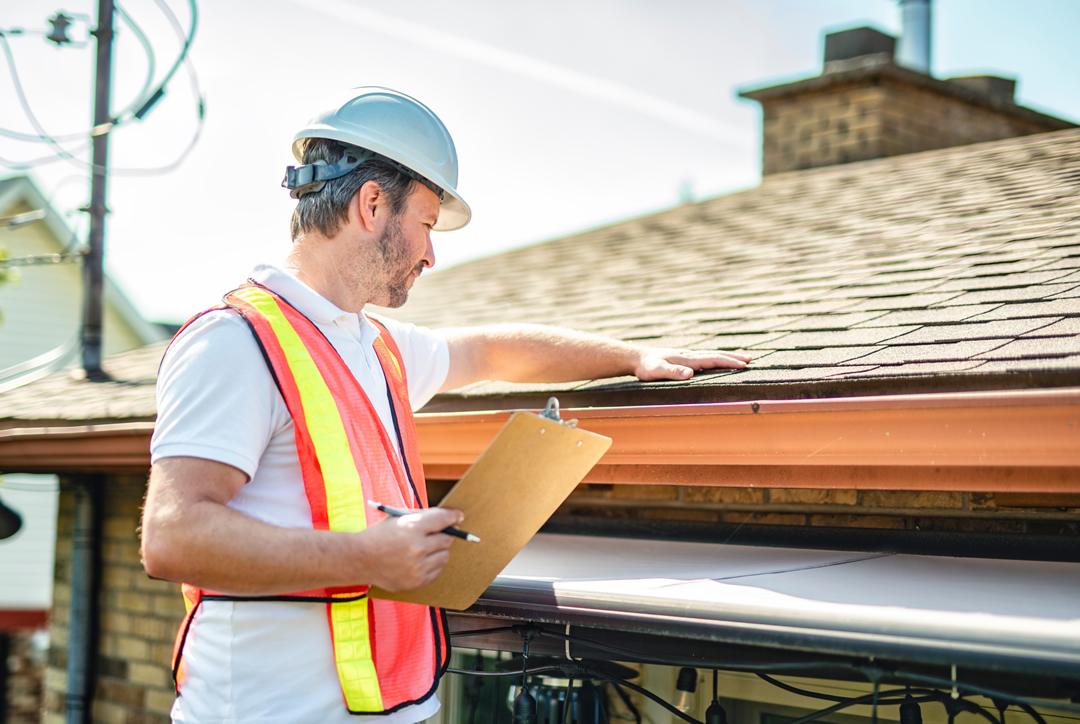
Roof inspections are crucial in ensuring the overall health and longevity of your roof. During a professional roof inspection, a trained inspector will thoroughly assess various components of your roof to identify any potential issues and provide recommendations for maintenance or repairs.
Components of a Comprehensive Roof Inspection
- Roofing Materials: The inspector will examine the type and condition of the roofing materials, including shingles, tiles, or metal panels.
- Flashing: Inspection of flashing around chimneys, vents, and skylights to ensure they are properly sealed and watertight.
- Gutters and Downspouts: Checking for clogs, damage, or improper drainage that could lead to water pooling on the roof.
- Roof Structure: Assessing the overall structure of the roof, including the decking, trusses, and rafters for signs of damage or deterioration.
- Ventilation: Ensuring that the attic and roof have proper ventilation to prevent moisture buildup and prolong the life of the roof.
Step-by-Step Guide During an Inspection
- Exterior Inspection: The inspector will start by examining the roof from the outside, looking for visible damage, missing shingles, or debris buildup.
- Interior Inspection: Checking the attic or ceiling for signs of leaks, water stains, or mold growth that indicate a roof issue.
- Moisture Detection: Using tools like a moisture meter to detect hidden leaks or moisture trapped beneath the roof surface.
- Documentation: The inspector will document their findings, take photos, and provide a detailed report of the roof's condition.
Preparation for Homeowners
Before a roof inspection, homeowners can prepare by:
- Cleaning the gutters and removing debris to allow for proper drainage.
- Trimming overhanging tree branches that could damage the roof or obstruct inspection access.
- Making a list of any known issues or concerns to discuss with the inspector.
FAQ Insights
How often should I conduct roof inspections??
Regular roof inspections are recommended at least once a year, ideally in spring or fall to catch any issues before they worsen.
What are common issues detected early through inspections??
Leaks, missing shingles, and signs of water damage are common issues that can be spotted early during roof inspections.
Is it better to hire a professional for roof inspections??
Yes, professional roof inspections offer a trained eye that can identify hidden issues and provide thorough assessments that DIY inspections may miss.
How can homeowners prepare for a roof inspection??
Clearing debris, providing access to the attic, and noting any specific concerns beforehand can help homeowners prepare for a roof inspection.