Overview of Commercial Roofing Contractors Offering Long-Term Service Contracts
Long-term service contracts play a crucial role in the commercial roofing industry by providing a proactive approach to roof maintenance and repair. These contracts offer a range of benefits for both contractors and clients, ensuring the longevity and performance of the roofing system.
Importance of Long-Term Service Contracts
Long-term service contracts help in identifying and addressing potential issues before they escalate, leading to costly repairs or replacements. Regular maintenance under these contracts ensures that the roof remains in optimal condition, enhancing its durability and lifespan.
Benefits for Contractors and Clients
- Contractors benefit from a steady source of income and ongoing relationships with clients, leading to increased customer loyalty and referrals.
- Clients benefit from peace of mind knowing that their roofing system is being regularly inspected and maintained by professionals, reducing the risk of unexpected failures.
- Long-term contracts often come with priority service, discounted rates, and extended warranties, providing added value for clients.
Services Included in Long-Term Contracts
- Regular roof inspections to identify potential issues
- Cleaning of gutters and drains to prevent water accumulation
- Minor repairs and patching to address leaks and damage
- Emergency repair services in case of unexpected issues
- Routine maintenance tasks such as sealant application and flashing repairs
Factors to Consider When Choosing a Commercial Roofing Contractor with Long-Term Service Contracts
When selecting a commercial roofing contractor that offers long-term service contracts, there are several key factors that clients should consider to ensure they make the best choice for their needs.
Experience and Reputation
It is crucial to evaluate the experience and reputation of the commercial roofing contractor. Look for a company with a proven track record of successful projects and satisfied clients. Check for reviews and testimonials to gauge the quality of their work.
License and Insurance
Verify that the contractor holds the necessary licenses and insurance to operate in your area. This ensures that they meet all legal requirements and that you are protected in case of any accidents or damages during the project.
Long-Term Service Contracts
Choosing a contractor that offers long-term service contracts can provide peace of mind and save you money in the long run. These contracts typically include regular maintenance and inspections, which can help extend the lifespan of your roof and prevent costly repairs.
Quality of Materials and Workmanship
Evaluate the quality of materials and workmanship that the contractor uses for their projects. High-quality materials and skilled workmanship are essential for a durable and reliable roof that will stand the test of time.
Cost and Payment Terms
Obtain detailed quotes from multiple contractors and compare the costs and payment terms. Avoid choosing a contractor solely based on the lowest price, as quality should be the primary consideration. Make sure you understand all payment terms before signing any contracts.
Emergency Services
Inquire about the contractor's availability for emergency repairs or services. A reliable contractor should be able to respond promptly in case of any unexpected issues with your roof.
References and Portfolio
Ask for references and review the contractor's portfolio to get a sense of their past work. Contact previous clients to inquire about their experience working with the contractor and the quality of the results.
Guarantees and Warranties
Check if the contractor offers any guarantees or warranties on their work. This can provide added protection and assurance that they stand behind the quality of their services.
Communication and Professionalism
Lastly, consider the communication style and professionalism of the contractor. A contractor who is transparent, responsive, and easy to work with will make the entire roofing process smoother and more efficient.
Benefits of Long-Term Service Contracts for Commercial Property Owners

Long-term service contracts for commercial roofing offer numerous benefits for property owners. These contracts provide a reliable and consistent maintenance schedule, ensuring that the roof is regularly inspected and repaired as needed. By investing in a long-term service contract, commercial property owners can effectively extend the lifespan of their roof and prevent costly damages.
Cost Savings
- Regular maintenance and inspections help identify and address issues early on, reducing the need for expensive repairs or replacements in the future.
- Preventative maintenance included in long-term contracts can help property owners save money by avoiding major structural damage caused by neglected roofing issues.
- By addressing small problems promptly, property owners can prevent them from escalating into larger, more costly issues.
Improved Roof Performance
- Regular maintenance ensures that the roof remains in optimal condition, performing at its best to protect the commercial property from weather elements.
- Well-maintained roofs are less likely to experience leaks, moisture intrusion, or other issues that can disrupt business operations.
Enhanced Property Value
- Regular maintenance and care provided through long-term service contracts can increase the overall value of the commercial property.
- A well-maintained roof reflects positively on the property, attracting potential tenants or buyers who value a property with a reliable and durable roof.
Case Studies
- In a study conducted by a commercial real estate firm, properties with long-term service contracts for roofing maintenance showed a 15% increase in property value over a five-year period compared to properties without such contracts.
- A retail complex that invested in a long-term service contract experienced a significant decrease in emergency roof repairs and extended the lifespan of their roof by 10 years, resulting in substantial cost savings.
How Commercial Roofing Contractors Structure Long-Term Service Contracts
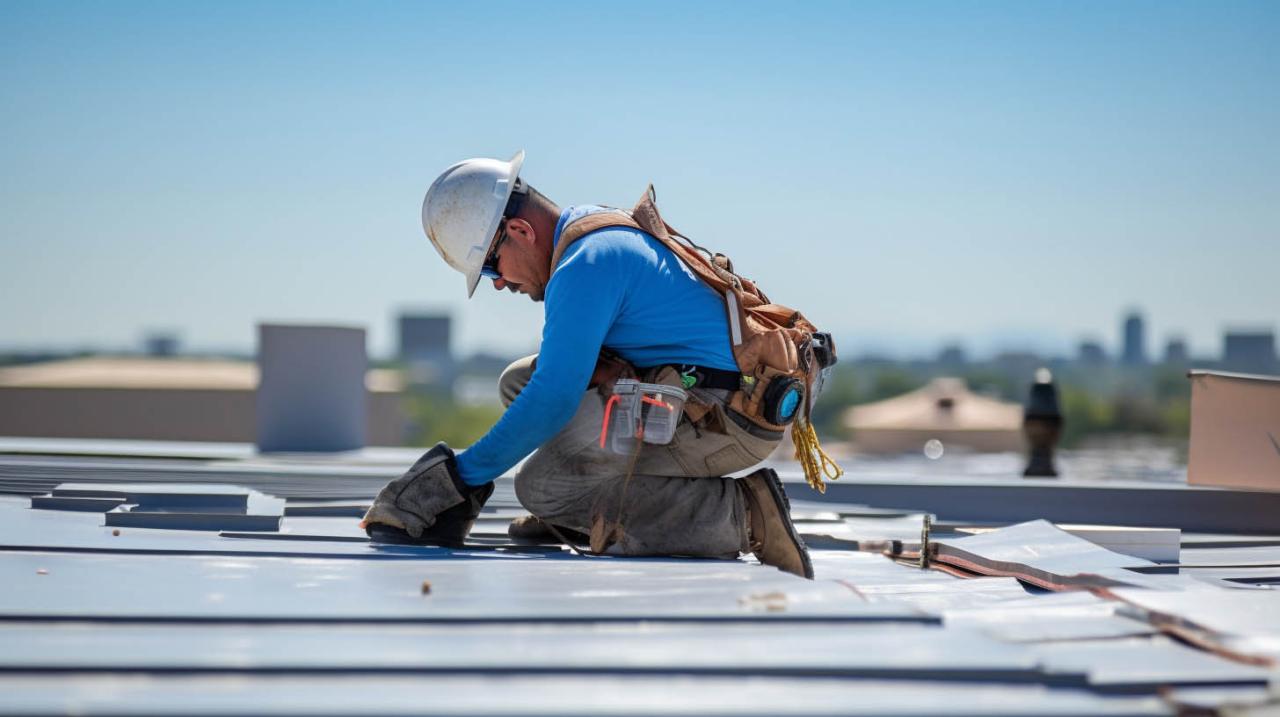
When it comes to structuring long-term service contracts in the commercial roofing industry, there are several key aspects to consider. From the typical duration and terms of the contracts to the pricing models used by contractors, each element plays a crucial role in ensuring a successful partnership with clients.
Typical Duration and Terms of Long-Term Service Contracts
- Long-term service contracts in the roofing industry often range from 3 to 10 years, depending on the needs and preferences of the client.
- The terms of these contracts typically Artikel the scope of services to be provided, response times for repairs, warranty coverage, and renewal options.
- Contractors may also include provisions for regular maintenance, inspections, and emergency repairs to ensure the ongoing health of the roof.
Common Pricing Models Used by Contractors
- Roofing contractors may offer flat-rate pricing, where a fixed fee is charged annually for the duration of the contract.
- Some contractors opt for performance-based pricing, where the cost of the contract is tied to the condition of the roof and the level of service required.
- Hourly rates or cost-plus pricing models may also be utilized, especially for contracts with extensive customization or unique requirements.
Customizing Contracts based on Client Needs
- Contractors often work closely with clients to tailor long-term service contracts to meet specific needs, budget constraints, and property requirements.
- Customization may involve adjusting the scope of services, warranty coverage, response times, or payment terms to align with the client's priorities.
- Flexibility is key in customizing contracts, as it allows both parties to establish a mutually beneficial agreement that addresses the unique challenges of the property.
Answers to Common Questions
What are the benefits of signing a long-term service contract with a commercial roofing contractor?
Long-term service contracts offer peace of mind to property owners, ensuring regular maintenance and timely repairs to extend the lifespan of their roofs. These contracts also often come with cost savings and priority service in case of emergencies.
How can property owners customize long-term service contracts to suit their specific needs?
Contractors typically offer customizable options within long-term service contracts, allowing property owners to tailor the scope of services, frequency of inspections, and types of repairs based on their individual requirements and budget.
What factors should clients consider when selecting a commercial roofing contractor with long-term service contracts?
Clients should assess the contractor's experience, reputation, range of services offered, pricing models, and the flexibility of contract terms before making a decision. It's essential to choose a contractor that aligns with the property owner's long-term goals and vision for their roof.