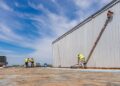
Overview of Roof Estimates
Roof estimates play a crucial role in the roofing industry as they provide homeowners and contractors with an idea of the cost involved in installing or repairing a roof. These estimates help in budgeting, planning, and decision-making, ensuring that the roofing project stays within financial constraints.Factors that influence roof estimate costs include the size of the roof, the complexity of its design, the materials used, the location of the property, and the labor costs in that particular area.
Each of these factors can significantly impact the overall estimate, making it essential to consider them when calculating the cost of a roofing project.
Common Roofing Materials and Their Impact on Estimates
- Asphalt Shingles: Asphalt shingles are the most popular roofing material due to their affordability and ease of installation. They are cost-effective and can help reduce the overall roof estimate.
- Metal Roofing: Metal roofing is durable, long-lasting, and energy-efficient, making it a popular choice among homeowners. However, it can be more expensive upfront, leading to a higher roof estimate.
- Wood Shakes: Wood shakes provide a natural and rustic look to a roof but require more maintenance and are usually more expensive than other materials, impacting the estimate accordingly.
- Slate Tiles: Slate tiles are known for their elegance and durability, but they come with a hefty price tag. Using slate tiles can significantly increase the roof estimate due to their high cost.
Average Roofing Costs by State
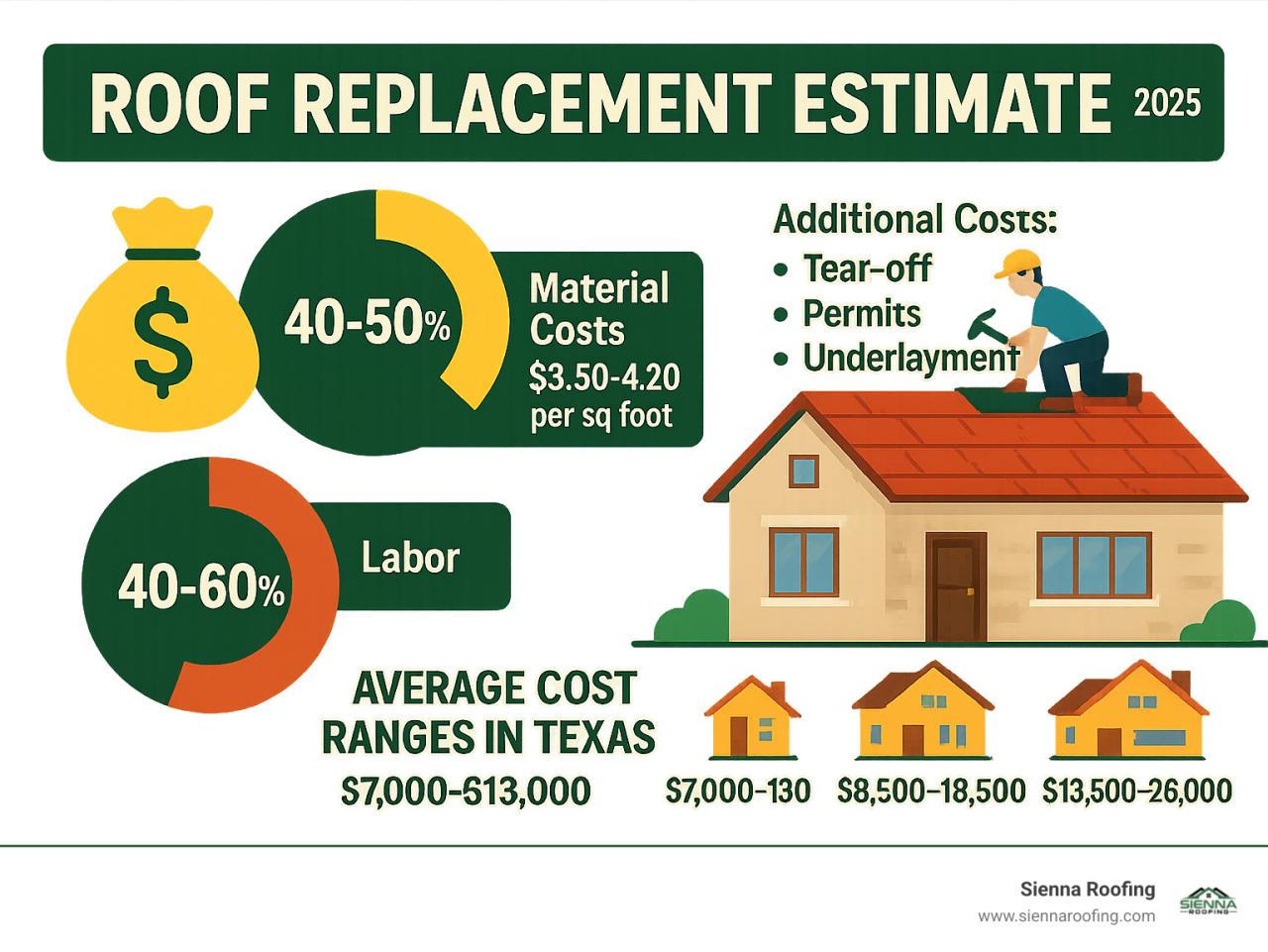
When it comes to roofing costs, the prices can vary significantly from state to state. This discrepancy is influenced by a variety of factors, including material availability, labor costs, state regulations, and even local weather conditions.
Cost Variations Across States
Here is a breakdown of the average roofing costs in different states:
| State | Average Roofing Cost |
|---|---|
| California | $8,000
|
| Texas | $6,000
|
| New York | $9,000
|
| Florida | $5,000
|
| Ohio | $4,000
|
Factors Influencing Cost Variations
The variations in roofing costs can be attributed to a combination of factors such as:
- Material availability and pricing in each state
- Local labor costs and demand for roofing services
- State regulations and building codes affecting construction costs
- Climate and weather conditions impacting roofing material durability
Types of Roofing Projects
When it comes to roofing projects, there are various types that may require estimates based on the specific needs of the property. It's essential to understand the differences in estimating costs for residential versus commercial roofing projects, as well as for repairs, replacements, installations, and maintenance projects.
Residential Roofing Projects
- Roof Repairs: Fixing leaks, replacing damaged shingles, or repairing flashing.
- Roof Replacements: Installing a new roof due to age, severe damage, or to upgrade to a more durable material.
- Roof Installations: Putting a roof on a newly constructed home or building an addition.
- Roof Maintenance: Regular inspections, cleaning gutters, and ensuring the roof is in good condition.
Commercial Roofing Projects
- Flat Roofing: Common in commercial buildings, requiring specialized materials and installation techniques.
- Metal Roofing: Durable and long-lasting option for commercial properties.
- TPO/PVC Roofing: Energy-efficient and cost-effective solutions for large commercial roofs.
- Green Roofing: Environmentally friendly options that reduce energy costs and provide insulation.
Cost Breakdown in Roof Estimates
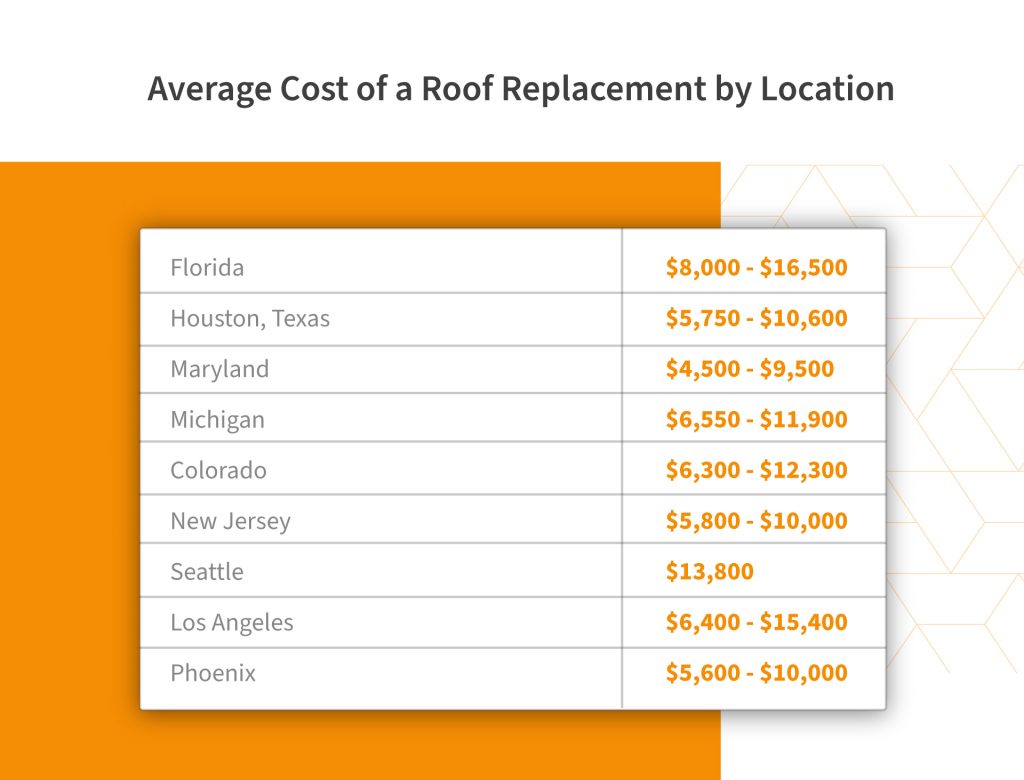
Roof estimates typically consist of various components, including materials, labor, permits, and other miscellaneous costs. Understanding how to break down these costs accurately is crucial for creating a comprehensive and realistic estimate for a roofing project.
Materials
When calculating the cost of materials for a roof estimate, consider the type of roofing material needed, the quantity required, and the quality of the materials. It's essential to factor in any additional materials such as underlayment, flashing, and sealant to ensure an accurate estimate.
Labor
Labor costs are a significant part of any roofing project estimate. Factors such as the complexity of the project, the size of the roof, and the experience level of the roofing crew can all impact labor costs. It's important to account for the number of labor hours needed and the prevailing labor rates in your area.
Permits and Fees
Obtaining the necessary permits for a roofing project can incur additional costs. It's important to research the permit requirements in your area and include any permit fees in your estimate. Failure to obtain the required permits can result in costly fines and delays in your project.
Other Costs
In addition to materials, labor, and permits, there may be other miscellaneous costs to consider in a roof estimate. These can include equipment rental, disposal fees for old roofing materials, and any unexpected expenses that may arise during the project.
It's essential to factor in these additional costs to ensure a comprehensive estimate.
Factors Influencing Roofing Costs
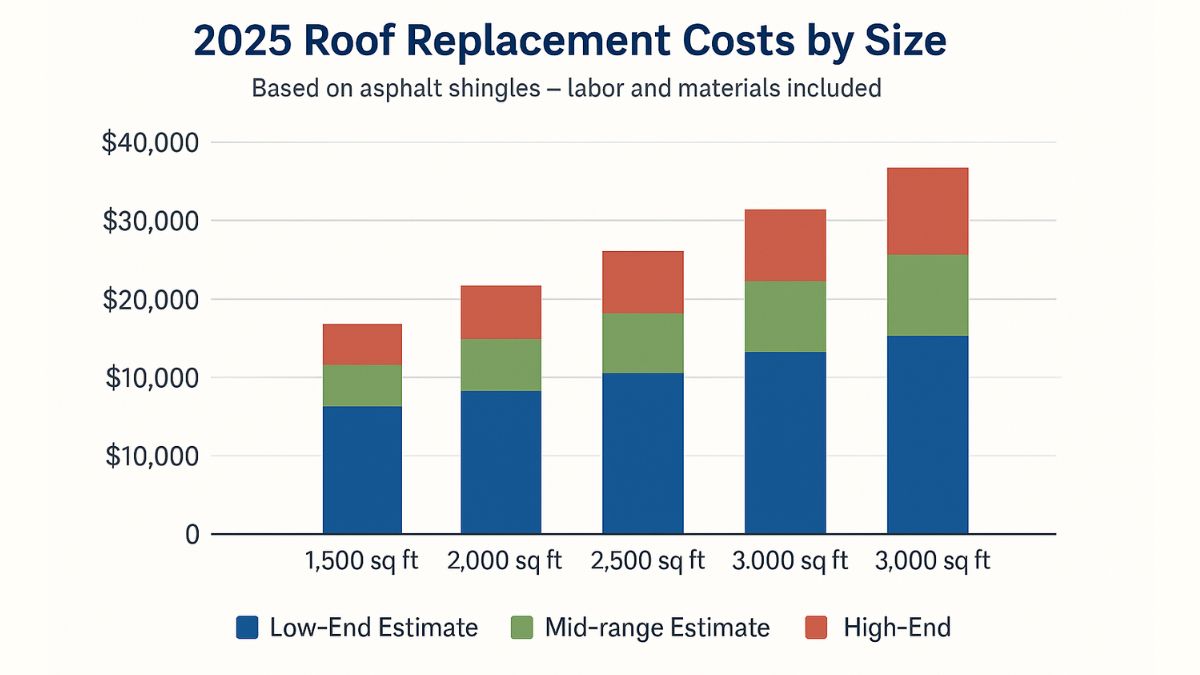
The cost of a roofing project can vary significantly based on several factors. These factors can include external influences like weather conditions, market trends, and labor availability, as well as intrinsic factors related to the roof itself.
External Factors Impacting Roofing Costs
- Weather Conditions: Extreme weather conditions can impact the timeline of the project, affecting labor costs and materials needed for the job.
- Market Trends: Fluctuations in the cost of materials due to market trends can influence the overall cost of the project.
- Labor Availability: The availability of skilled labor in your area can affect labor costs and overall project timelines.
Intrinsic Factors Affecting Roofing Costs
- Size of the Roof: Larger roofs require more materials and labor, increasing the overall cost of the project.
- Slope of the Roof: Steeper roofs can be more challenging to work on, requiring specialized equipment and expertise, which can impact costs.
- Complexity of the Roof: Roofs with intricate designs, multiple angles, or unique features may require additional time and materials, leading to higher costs.
Tips to Optimize Costs Without Compromising Quality
- Get Multiple Quotes: Compare quotes from different roofing contractors to ensure you are getting a fair price.
- Consider Different Materials: Explore different roofing materials that offer a balance between cost and durability.
- Maintain Your Roof: Regular maintenance can extend the lifespan of your roof, reducing the need for costly repairs or replacements.
FAQ Overview
What factors influence roof estimate costs?
Roof estimate costs are influenced by various factors such as the type of roofing material, roof size, and labor expenses. These components play a significant role in determining the overall cost of a roofing project.
How do state regulations impact roofing costs?
State regulations can affect roofing costs by imposing specific requirements or limitations on materials, permits, and construction practices. Understanding these regulations is crucial for accurate cost estimation.
What are the common roofing materials that impact estimates?
Common roofing materials like asphalt shingles, metal roofing, and clay tiles can significantly impact estimate costs due to differences in material prices, durability, and installation complexity.
How can one optimize roofing costs without compromising quality?
To optimize roofing costs without sacrificing quality, consider factors like material longevity, energy efficiency, and maintenance requirements. Working with experienced contractors and sourcing materials wisely can also help in cost optimization.